
Patient preparation · 5 min read
Before your endoscopy: the questions that make preparation clearer
From medicines and transport to fees and results, a useful conversation begins before procedure day.
Published 12 October 2026 · Zendale Endoscopy Centre
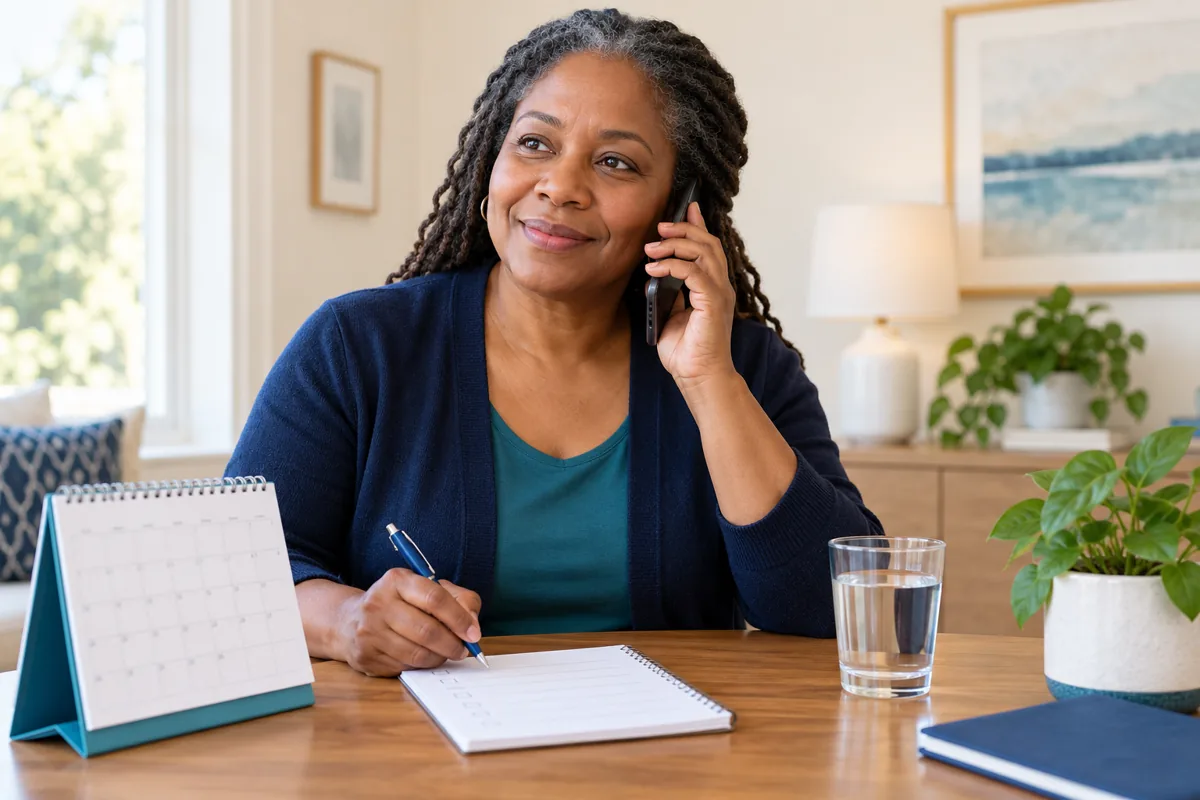
Being told you need an endoscopy can leave you with practical questions as well as medical ones. What does the examination involve? What should you bring? Who will take you home? Which instructions apply to your medicines? Good preparation starts with getting those answers from the team responsible for your procedure.
Understand the examination being requested
Endoscopy is a family of examinations. Gastroscopy looks at the upper digestive tract. Colonoscopy examines the large bowel. ERCP focuses on problems involving the bile and pancreatic ducts and may include treatment. The preparation is not interchangeable.
Ask which procedure has been requested and why. If the name on a referral letter is unfamiliar, send the request to the team and ask them to explain it. You do not need to select a procedure simply because a symptom sounds similar to something you read online.
Ask for instructions you can follow
Preparation may involve fasting or bowel-cleansing instructions, depending on the examination. Follow the plan issued for your procedure and circumstances. Do not copy another patient's timing or rely on a general article for a medication change.
If instructions are unclear, contact the team before the appointment. Tell them if you have difficulty reading the information, accessing the prescribed preparation or following a step. It is better to resolve a question early than to arrive uncertain.
Give the team a complete medication picture
Share prescription medicines, medicines bought without a prescription and supplements. Blood thinners and diabetes medicines are particularly important to discuss. Include allergies and previous problems with sedation or anaesthesia.
Bring a written list or the medicine packaging if that is easier. Never stop prescribed medication simply because a webpage says it may need adjusting. Your clinical team must tell you what applies to you.
Plan the practical side of the day
Confirm the arrival time and location, not only the procedure time. Ask how long you should expect to remain at the centre. If sedation is planned, discuss the need for someone to accompany you and arrange transport home.
Let the team know about access or support needs. You may want a family member involved in explanations, or have a question about communication or mobility. These details can be discussed while arrangements are being made.
Clarify fees before confirming
Ask what the quoted fee includes and whether sedation, tissue sampling, laboratory analysis or treatment adds a separate charge. An examination and a sample sent for laboratory analysis are not necessarily one billing item.
Keep any written quotation or instructions where you can find them. If another organisation is paying, clarify its requirements before the procedure rather than assuming authorisation has already been arranged.
Ask about results and follow-up
Who will explain what was seen? If samples are taken, how will you learn when their results are available? Which clinician will coordinate the next steps? These are reasonable questions to ask before the day.
For referred patients, ask how findings will reach the referring clinician. Zendale's referral dashboard supports progress tracking, while released reports remain subject to identity and access checks.
A short preparation checklist
- Confirm the procedure, location and arrival arrangements.
- Obtain individual preparation and medication instructions.
- Share relevant history, allergies and previous results.
- Discuss transport and support after sedation.
- Clarify the fee and reporting arrangements.
Preparation is a conversation. If something does not make sense, ask.
Further reading
NIDDK: upper GI endoscopy; NIDDK: colonoscopy. Follow the instructions from your own clinical team.
Your next step
This information supports a conversation with your clinician; it does not diagnose your symptoms. Request an appointment online, choose help deciding if you are unsure, or call +234 707 056 6272, message +234 707 056 6272 on WhatsApp, or ask your doctor to send a referral to zendaleendoscopy@gmail.com.

Blood in the stool: what to notice, when to get help and what to tell your doctor
A practical guide to describing bleeding clearly and getting the right level of help, without assuming the cause.

Your endoscopy report and biopsy results: understanding the next conversation
The examination, the written report and a laboratory result may arrive at different times. Here is how to keep the next steps clear.
Your referral letter: the questions to ask before booking
A referral letter helps one clinician explain a request to another.