
Investigate. Treat. Stay connected.

Endoscopy, clearly explained.

Diagnostic endoscopy helps investigate digestive problems. Therapeutic endoscopy provides treatment through appropriate procedures. Explore what each examination can investigate or treat, how to prepare and how our team coordinates the next step.
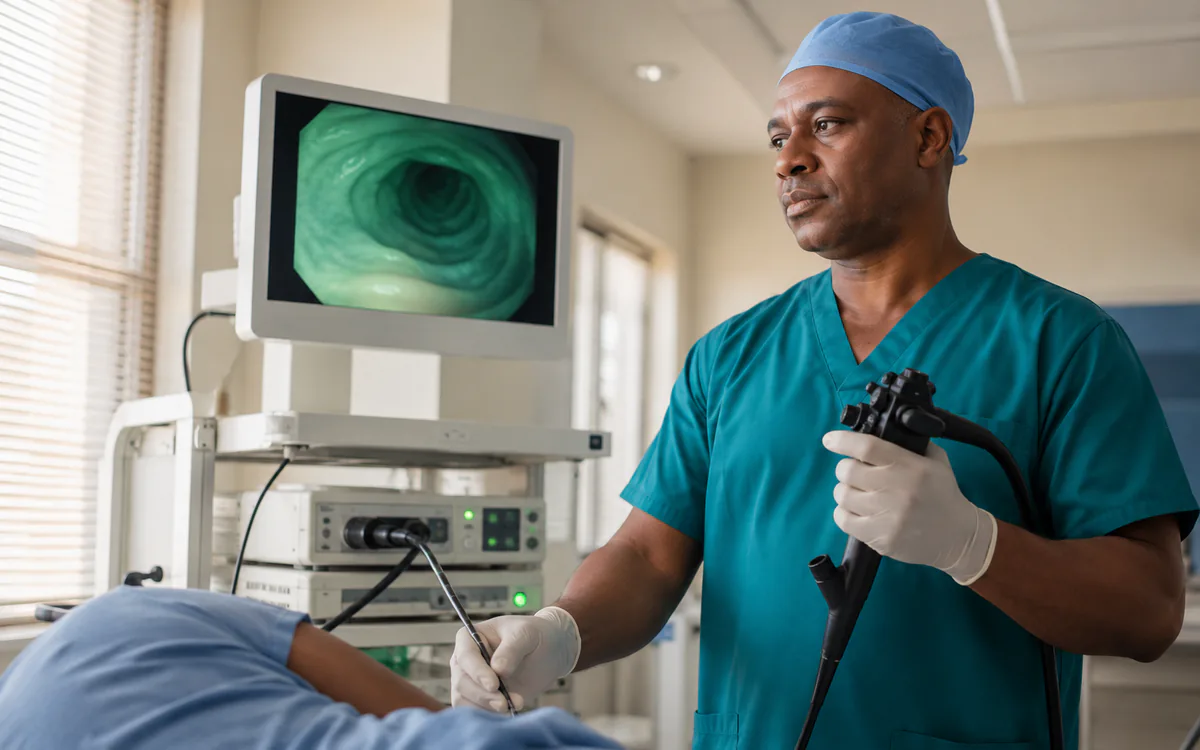
Illustration explaining Gastroscopy

Upper digestive tract

Gastroscopy

A short look at the oesophagus, stomach and upper small bowel through the mouth. Minutes long, and it answers what months of antacids cannot.
BeforeNothing to eat for about six hours so the stomach is empty. Tell us your medicines.
DuringThroat spray or light sedation, then the slim camera. Biopsies taken painlessly if needed.
AfterA short rest, then home the same day. Someone should drive you if you were sedated.
Explore gastroscopy →
Illustration explaining Colonoscopy

Large bowel

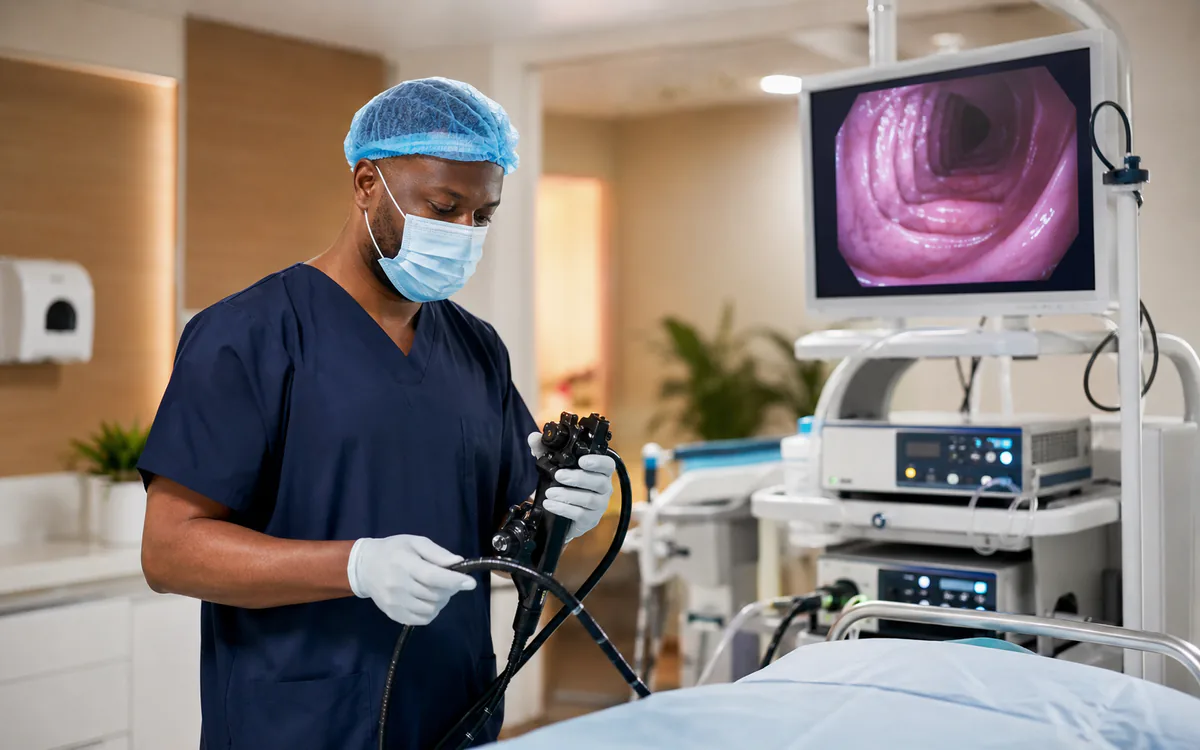
Colonoscopy

A full examination of the large bowel, and the best test for catching bowel cancer early by removing polyps before they turn.
BeforeBowel prep the day before clears the bowel. Clear fluids, and follow the timing we give you.
DuringUsually performed without sedation, with optional anaesthesia on request. You are monitored throughout; polyps may be removed if appropriate.
AfterAftercare and recovery depend on whether anaesthesia was used. The team explains when you can eat and go home.
Explore colonoscopy →
Illustration explaining ERCP

Bile and pancreatic ducts

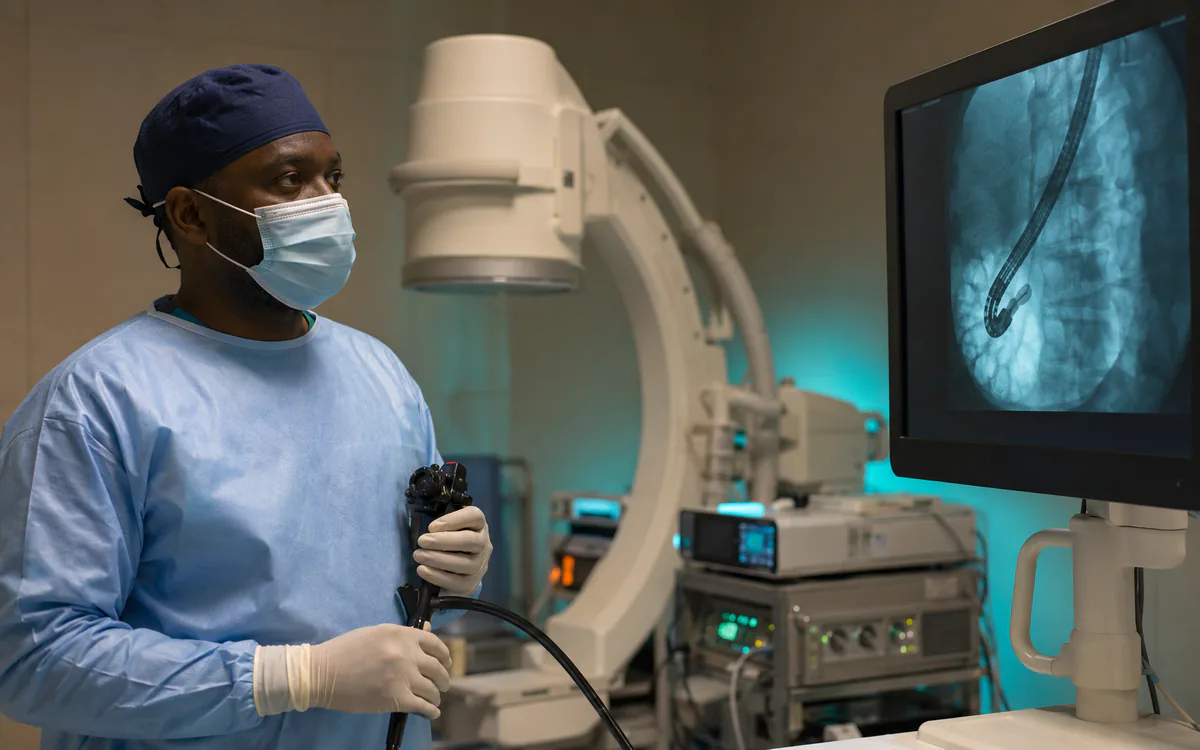
ERCP

A specialised procedure that clears stones and blockages in the bile duct through the gut, relieving jaundice without open surgery.

BeforeBlood tests and scans first. You will be admitted and prepared, and fasted beforehand.
DuringUnder sedation, the duct is reached and the stone removed or a stent placed to drain it.
AfterWatched closely afterwards, as ERCP needs a period of observation before discharge.
Explore ercp →
Illustration explaining Screening colonoscopy

Preventive care

Screening colonoscopy

The same procedure used to prevent cancer, not just find it, by clearing the polyps it would have grown from.

BeforeBook from age 45, or earlier with a family history. Same bowel prep as a colonoscopy.
DuringA careful, unhurried look with any polyps removed and sent for testing.
AfterClear advice on when, if ever, you need to repeat it based on what we find.
Explore screening colonoscopy →

Unsure which examination you need?

Share your symptoms or your doctor's advice. Our clinical team reviews the request before confirming the appropriate care and preparation.

Ask for guidance →