
Screening colonoscopy
The same procedure used to prevent cancer, not just find it, by clearing the polyps it would have grown from.

Book from age 45, or earlier with a family history. Same bowel prep as a colonoscopy.
A careful, unhurried look with any polyps removed and sent for testing.
Clear advice on when, if ever, you need to repeat it based on what we find.
Why screening matters in Nigeria
Colorectal cancer is rising in Nigeria, patients are presenting younger, and there is almost no organised screening. That means most cases are found only once symptoms appear, by which point the disease is usually established.
Screening changes that entirely, because it looks before there are any symptoms at all.
Who should be screened
From age 45 for people at average risk. Earlier if a close relative has had bowel cancer, usually from 40 or ten years before their age at diagnosis, whichever comes first.
Screening is also recommended earlier for people with inflammatory bowel disease, a personal history of polyps, or a known inherited syndrome.
How it prevents cancer
Most bowel cancers begin as a polyp that sits on the bowel wall for years, changing slowly. During screening we find those polyps and remove them there and then.
Remove the polyp and the cancer it might have become never happens. That is prevention in real time.
What it involves
The same examination as a diagnostic colonoscopy, with bowel preparation and individual aftercare instructions. At Zendale, sedation is not routine; optional anaesthesia can be requested and discussed with the clinical team.
Afterwards we give you clear advice on when the test should be repeated, which depends on what we find.
Diagnostic care
What this procedure investigates
Colonoscopy examines the large bowel to investigate symptoms or support screening. Findings and samples, where needed, help guide the next steps in your care.
Therapeutic care
How treatment may be involved
Suitable polyps may be removed during colonoscopy, so the procedure can provide treatment as well as an examination. The clinician explains what is appropriate and whether further care or laboratory results are needed.
Any treatment depends on clinical assessment, the findings and your consent. Ask the team what is planned for your procedure.
Your care, before and after
More than the examination.
When you request care, our team contacts you to discuss the clinical request and a suitable date. An online request is not a confirmed appointment. If another doctor is coordinating your care, tell us so communication stays connected.
Before proceeding, the clinician explains the intended benefit, alternatives and relevant risks. You can ask what the examination can answer, whether tissue samples or treatment may be needed, and what findings would mean for your next step.
Questions worth bringing
- Why has this examination been recommended for me?
- What preparation and medication advice applies to me?
- What comfort or sedation options are appropriate?
- Will samples need separate laboratory analysis?
- Who will explain my results and arrange follow-up?
Follow the individual instructions issued by the clinical team. Do not stop prescribed medicines based on a general webpage.
Understanding benefits and risks
Endoscopy can help investigate symptoms and, in some cases, provide treatment. Risks vary with the procedure and your health. They can include bleeding, a reaction to sedation or injury to the digestive tract. ERCP also carries a risk of pancreatitis. Your clinician will discuss the risks relevant to your planned examination.
Aftercare instructions explain what to expect and which symptoms need urgent attention. Seek prompt medical help for severe or worsening pain, breathing problems, significant bleeding or fever after a procedure.
Further patient information: NIDDK ↗Recovery at Zendale Endoscopy
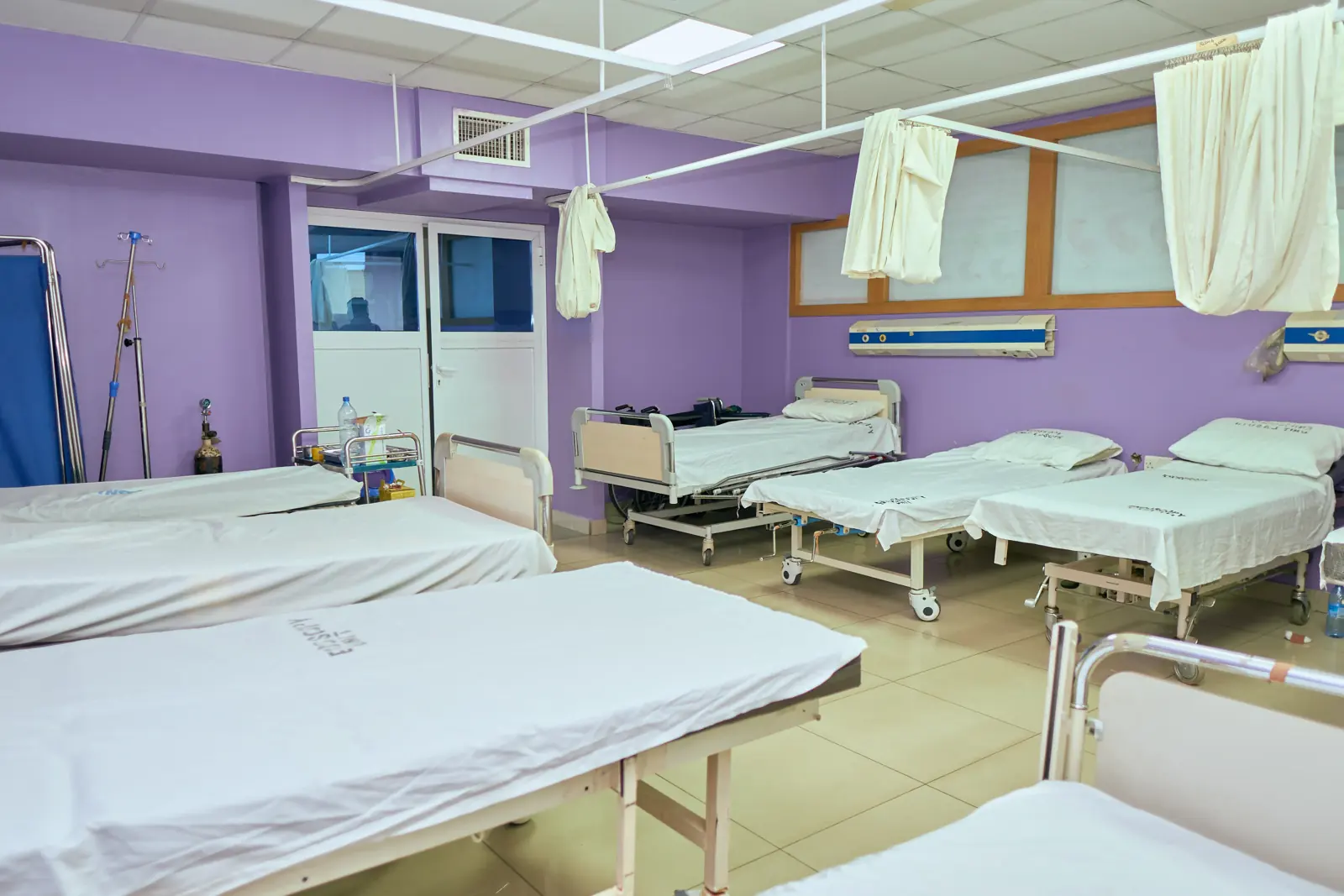
Our team explains recovery, discharge and your individual aftercare arrangements before you go home.
Common questions
When should bowel cancer screening start in Nigeria?
At 45 for people at average risk, and earlier for those with a family history of bowel cancer or other risk factors.
How often should a screening colonoscopy be repeated?
It depends on the findings. A completely clear result in an average-risk person usually means a long interval; if polyps are found, a shorter interval is advised.
Do I need symptoms to have screening?
No. The purpose of screening is to look before symptoms appear, because early bowel cancer often causes none.
Book this procedure
Call +234 707 056 6272, message +234 707 056 6272 on WhatsApp, or book online.