
Gastroscopy
A short look at the oesophagus, stomach and upper small bowel through the mouth. Minutes long, and it answers what months of antacids cannot.
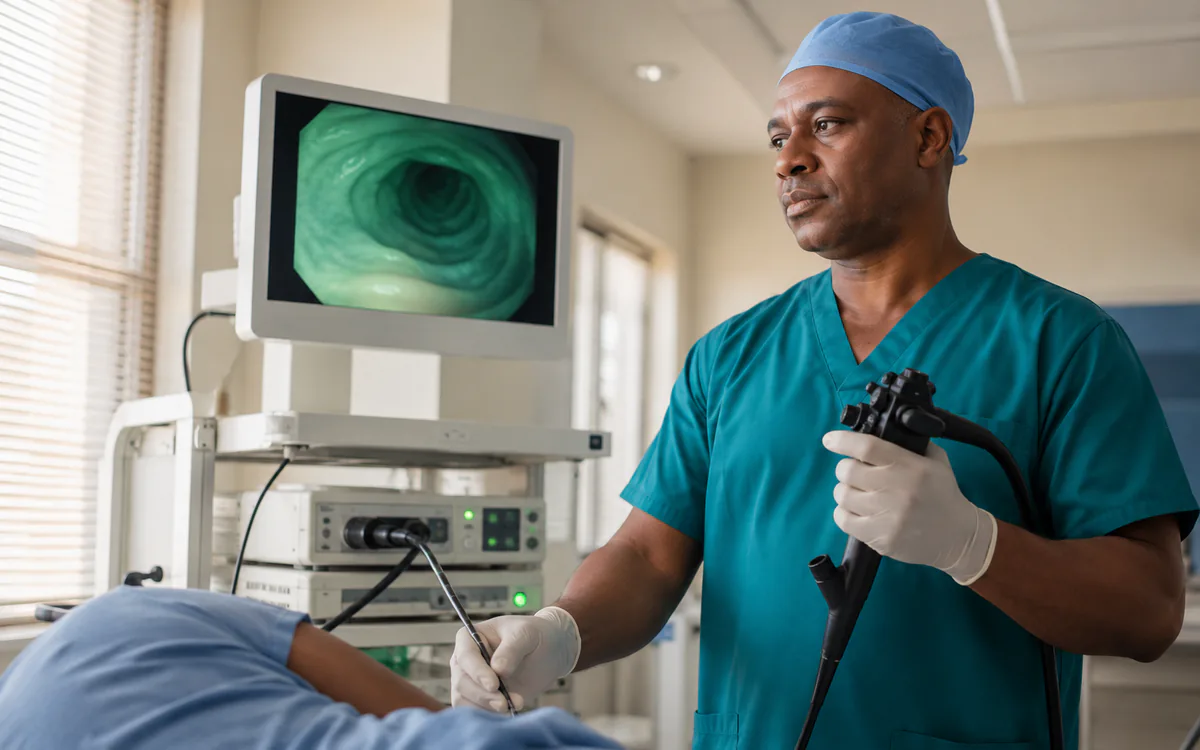
Nothing to eat for about six hours so the stomach is empty. Tell us your medicines.
Throat spray or light sedation, then the slim camera. Biopsies taken painlessly if needed.
A short rest, then home the same day. Someone should drive you if you were sedated.
What a gastroscopy examines
A gastroscopy, also called an upper GI endoscopy, examines the oesophagus, the stomach and the first part of the small intestine. A slim, flexible tube with a light and a camera is passed gently through the mouth so we can see the lining directly on a screen.
It is the definitive test for reflux that will not settle, difficulty swallowing, upper abdominal pain, suspected ulcers and unexplained anaemia.
Why it is worth doing
Many people in Lagos manage stomach symptoms for years with over-the-counter medication. That treats the sensation without ever identifying the cause. A gastroscopy takes minutes and tells us whether there is an ulcer, inflammation, H. pylori infection or something that needs closer attention.
While we are there we can act, not just look. We take biopsies painlessly, test for H. pylori, stop a bleeding ulcer with injection or clips, and stretch a narrowed oesophagus where that is the problem.
Preparation
Your stomach must be empty, so no food for around six hours beforehand. Clear fluids are usually allowed until a few hours before, and the unit will confirm exact timings when you book.
Tell us about all your medicines, particularly blood thinners and diabetes medication, as these may need adjusting. Never stop prescribed medication without advice.
On the day
You are offered either a numbing throat spray or light sedation. Most people choose sedation, and with it remember very little afterwards. Your oxygen and heart rate are monitored throughout and a nurse stays with you.
The procedure itself usually takes ten to twenty minutes. Afterwards you rest until any sedation wears off, then go home the same day. If you were sedated you must not drive, so bring someone with you.
Results
We can usually tell you what we saw once you are alert. If we took a biopsy, the laboratory result follows. A written report with images goes to your referring doctor on the same day.
Diagnostic care
What this procedure investigates
Gastroscopy examines the oesophagus, stomach and first part of the small intestine. Findings and tissue samples, where needed, help the clinician investigate symptoms and plan care.
Therapeutic care
How treatment may be involved
If findings require treatment, the clinician explains whether an endoscopic approach is appropriate and discusses the available options. A diagnostic examination does not automatically mean treatment is needed.
Any treatment depends on clinical assessment, the findings and your consent. Ask the team what is planned for your procedure.
Your care, before and after
More than the examination.
When you request care, our team contacts you to discuss the clinical request and a suitable date. An online request is not a confirmed appointment. If another doctor is coordinating your care, tell us so communication stays connected.
Before proceeding, the clinician explains the intended benefit, alternatives and relevant risks. You can ask what the examination can answer, whether tissue samples or treatment may be needed, and what findings would mean for your next step.
Questions worth bringing
- Why has this examination been recommended for me?
- What preparation and medication advice applies to me?
- What comfort or sedation options are appropriate?
- Will samples need separate laboratory analysis?
- Who will explain my results and arrange follow-up?
Follow the individual instructions issued by the clinical team. Do not stop prescribed medicines based on a general webpage.
Understanding benefits and risks
Endoscopy can help investigate symptoms and, in some cases, provide treatment. Risks vary with the procedure and your health. They can include bleeding, a reaction to sedation or injury to the digestive tract. ERCP also carries a risk of pancreatitis. Your clinician will discuss the risks relevant to your planned examination.
Aftercare instructions explain what to expect and which symptoms need urgent attention. Seek prompt medical help for severe or worsening pain, breathing problems, significant bleeding or fever after a procedure.
Further patient information: NIDDK ↗Recovery at Zendale Endoscopy
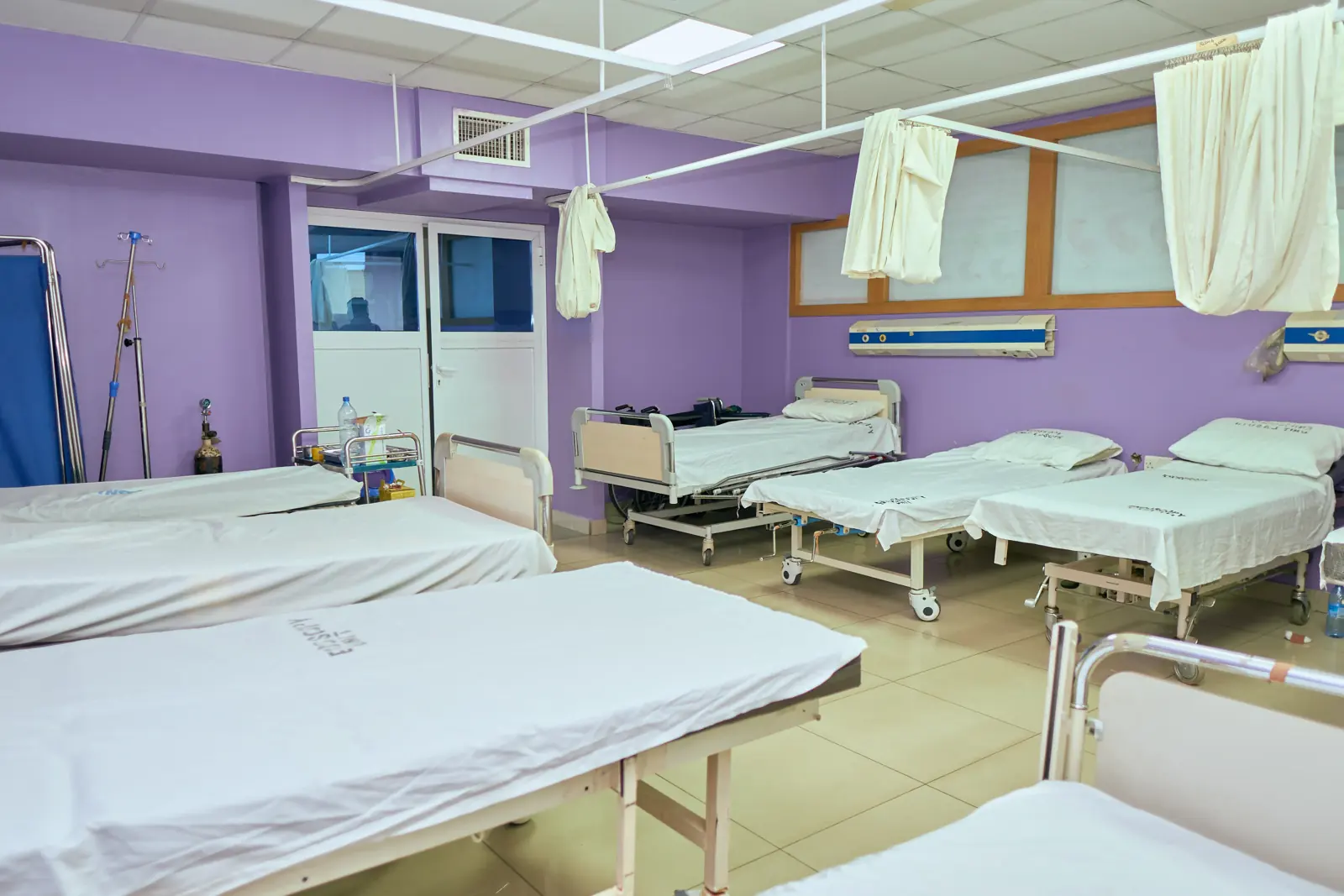
Our team explains recovery, discharge and your individual aftercare arrangements before you go home.
Common questions
Is a gastroscopy painful?
It is not usually painful. Most people find it uncomfortable rather than painful, and with sedation the majority remember very little of it.
How long does a gastroscopy take?
The procedure itself takes about ten to twenty minutes. Allow a few hours in total for preparation, the procedure and recovery.
Can I eat after a gastroscopy?
Usually yes, on the same day, once any throat numbing has worn off completely. The unit will advise you before you leave.
How much does a gastroscopy cost in Lagos?
Cost varies by centre and by whether sedation and biopsy are included. Call the unit on 070 7056 6272 for a current, all-inclusive figure.
Book this procedure
Call +234 707 056 6272, message +234 707 056 6272 on WhatsApp, or book online.