
Guides · 8 min read
How to prepare for a colonoscopy: the bowel prep guide nobody gives you
What to eat, what to stop, how to get the prep down, and why a clean bowel changes the whole result.
Published 6 May 2026 · Updated 20 August 2026 · Zendale Endoscopy Centre
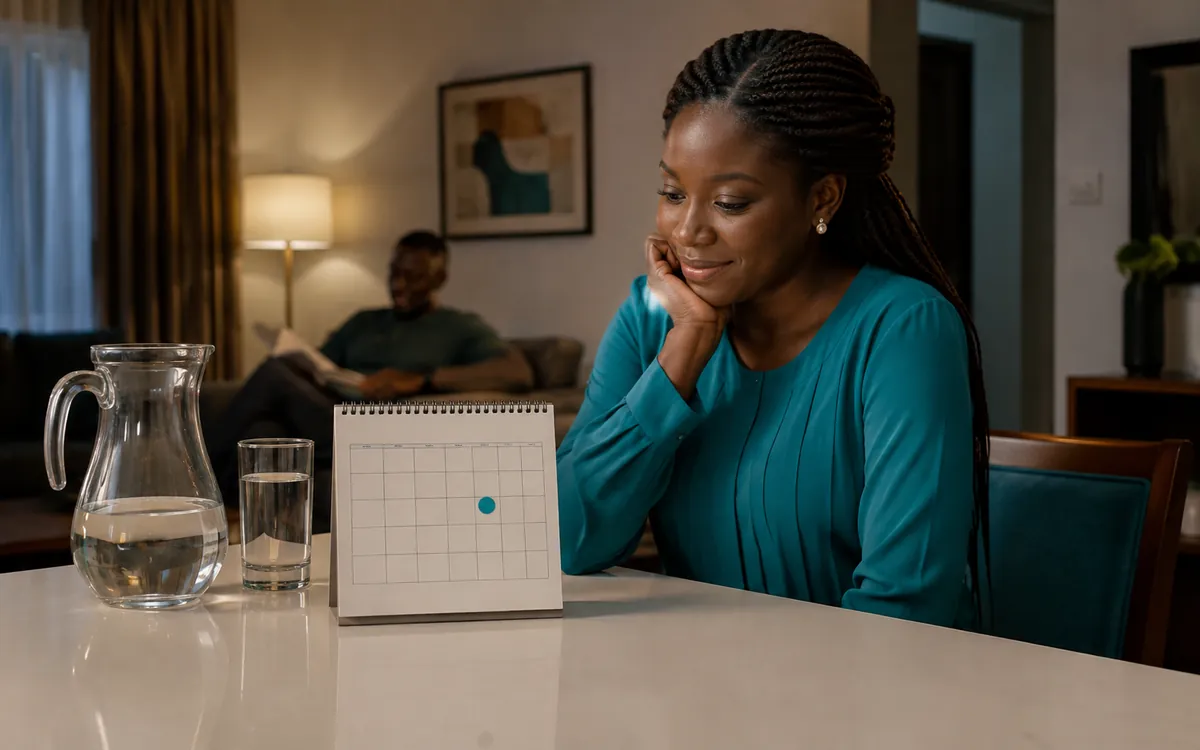
Everyone worries about the camera. Almost nobody warns you properly about the preparation, which is the part patients actually find hard. So here is the honest, complete version.
Colonoscopy is usually performed without sedation at Zendale, with optional anaesthesia available on request. The preparation is a somewhat inconvenient evening at home. Get the preparation right and everything else follows.
Why the prep matters so much
For us to examine the bowel wall properly, the bowel has to be empty. Any residue left behind can hide exactly what we are looking for. A small flat polyp tucked behind debris is a missed polyp, and a missed polyp is the whole point of the test wasted.
A well-prepared bowel also means a faster, more comfortable procedure. This is the single thing in the process that is entirely in your hands.
Three days before: the low-residue diet
Start easing off fibre roughly three days ahead. The goal is food that leaves little residue behind.
Good choices: white rice, white bread, plain pasta, eggs, chicken, fish, clear soups, well-cooked vegetables without skins, and plenty of water.
Avoid: beans, seeds, nuts, sweetcorn, popcorn, tomato skins, fruit skins, brown rice, wholemeal bread, and anything with visible grains. In a Nigerian kitchen the usual culprits are beans, ogbono and efo riro with plenty of leaf, and anything with corn.
The day before: clear fluids and the prep
From the morning before your procedure, no solid food. Clear fluids only, which means anything you can see through: water, clear broth, strained fruit juice without pulp, black tea, and clear isotonic drinks.
Avoid anything red or purple, as the colour can be mistaken for blood on the camera. Skip milk and anything creamy too, since they are not clear.
In the evening you take the prep solution your unit has given you. It empties the bowel over the following few hours. Plan to be at home, near a bathroom, with nothing else scheduled.
Getting the prep down
The taste is the complaint, so a few things genuinely help:
- Chill it in the fridge beforehand, as cold is much easier than warm
- Drink it steadily rather than fighting through it in one go
- Use a straw, which bypasses much of the taste
- Follow each glass with a little clear fluid to rinse your mouth
- Keep moving gently around the house; it works better than lying down
You will know it is working when what you pass becomes clear or pale yellow liquid. That is the goal. Do not stop early because you feel empty.
Your medicines
Tell the unit about everything you take, including things bought over the counter. Particular attention goes to:
- Blood thinners, which may need pausing, but only on medical advice
- Diabetes medicines, since you are not eating, so doses often need adjusting
- Iron tablets, usually stopped about a week before, as iron darkens the bowel lining
- Blood pressure medicines, which are usually continued with a sip of water
Never stop a prescribed medicine on your own. Call and ask.
On the day
Continue clear fluids until the time you are told to stop. If anaesthesia or sedation is planned, arrange an accompanying adult and transport home. Wear something comfortable, leave valuables at home, and bring your ID, any referral letter, and a list of your medicines.
Common questions
What if I vomit the prep? Pause for half an hour, then resume more slowly. If you cannot keep any of it down, call the unit.
What if it has not worked by bedtime? Call. Sometimes an extra measure is needed, and it is far better to sort it out the night before than to arrive unprepared.
Can I take my usual painkillers? Paracetamol is generally fine. Avoid anti-inflammatories such as ibuprofen and diclofenac unless told otherwise.
The evening in perspective
One inconvenient evening buys you a complete look at your large bowel, with any polyps removed before they can become anything. Patients tell us afterwards that the prep was the worst of it and still nothing like as bad as they had built it up to be.
If anything about your preparation is unclear, call the unit on 070 7056 6272. We would far rather answer a question the night before than reschedule you on the day.
Common questions
What can I eat before a colonoscopy?
For about three days beforehand, eat a low-residue diet: white rice, white bread, pasta, eggs, chicken and fish, avoiding seeds, nuts, skins, sweetcorn and high-fibre foods. The day before, switch to clear fluids only.
Can I drink water before a colonoscopy?
Yes. Clear fluids including water are encouraged until the time your unit tells you to stop, usually a few hours before the procedure. Staying hydrated makes the whole day easier.
How do I make the bowel prep easier to drink?
Chill it, drink it steadily through a straw, and alternate with clear fluids. Do not stop early because you feel clean; a half-prepared bowel is how a polyp gets missed.
Should I stop my medication before a colonoscopy?
Tell the unit about everything you take. Blood thinners, iron tablets and diabetes medicines often need adjusting or pausing, but never stop prescribed medication without medical advice.
Your next step
This information supports a conversation with your clinician; it does not diagnose your symptoms. Request an appointment online, choose help deciding if you are unsure, or call +234 707 056 6272, message +234 707 056 6272 on WhatsApp, or ask your doctor to send a referral to zendaleendoscopy@gmail.com.

Blood in the stool: what to notice, when to get help and what to tell your doctor
A practical guide to describing bleeding clearly and getting the right level of help, without assuming the cause.
Before your endoscopy: the questions that make preparation clearer
From medicines and transport to fees and results, a useful conversation begins before procedure day.
Your endoscopy report and biopsy results: understanding the next conversation
The examination, the written report and a laboratory result may arrive at different times. Here is how to keep the next steps clear.