
September collection · 4 min read
A useful medication list before your endoscopy visit
A medication conversation is easier when everyone knows exactly what you take.
Published 12 October 2026 · Zendale Endoscopy Centre
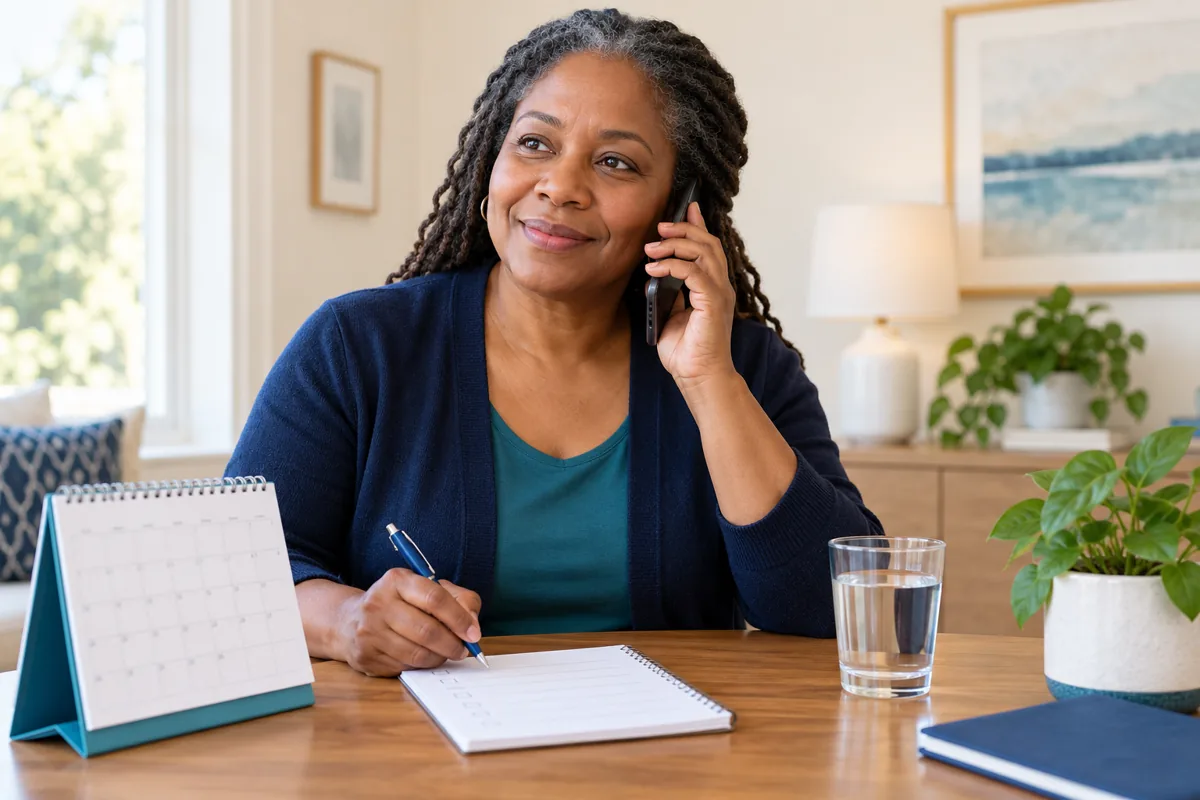
Part of our September education collection, added to the Journal on 12 October 2026.
Why the list matters
A medication conversation is easier when everyone knows exactly what you take. Brand names, doses and the time you usually take them can all be useful. The aim is to help the clinical team give individual preparation advice, not to make changes to treatment yourself.
Include more than prescriptions
List medicines bought without a prescription, supplements and herbal products as well as regular prescribed treatment. If you take something only occasionally, include that too. If you do not know its name, the packaging or a clear photograph may help the team identify it.
Explain how you actually take it
A list copied from an old prescription may no longer describe your routine. Mention changes made by another clinician and tell the team if you have recently started or stopped a medicine. Be honest if you are unsure of a dose. The conversation is about accurate information, not being judged.
Ask for instructions specific to you
Blood thinners and diabetes medicines are particularly important to discuss before endoscopy. Do not stop a prescribed medicine based on a general webpage or another patient’s advice. Ask your clinical team what to do before the examination and when your usual routine should resume.
Mention allergies and earlier reactions
Describe any allergy you know about and what happened when you had the reaction. If you have had sedation or anaesthesia before, explain any problems you remember. The team can decide which details are relevant and may ask for information from an earlier assessment.
Keep the final instructions accessible
Once the plan is confirmed, keep the instructions with your appointment details. If two sets of advice seem to disagree, ask the team to clarify. A brief phone call before the day can be more useful than trying to resolve uncertainty at the reception desk. Preparation should be a clear conversation.
This article supports a conversation with your clinical team. It does not diagnose symptoms or provide individual preparation instructions.
Your next step
This information supports a conversation with your clinician; it does not diagnose your symptoms. Request an appointment online, choose help deciding if you are unsure, or call +234 707 056 6272, message +234 707 056 6272 on WhatsApp, or ask your doctor to send a referral to zendaleendoscopy@gmail.com.

Blood in the stool: what to notice, when to get help and what to tell your doctor
A practical guide to describing bleeding clearly and getting the right level of help, without assuming the cause.
Before your endoscopy: the questions that make preparation clearer
From medicines and transport to fees and results, a useful conversation begins before procedure day.

Your endoscopy report and biopsy results: understanding the next conversation
The examination, the written report and a laboratory result may arrive at different times. Here is how to keep the next steps clear.