
Guides · 6 min read
When to stop managing it at home and see a gastroenterologist
The line between a stomach that misbehaves occasionally and a problem that deserves a specialist.
Published 26 August 2026 · Zendale Endoscopy Centre
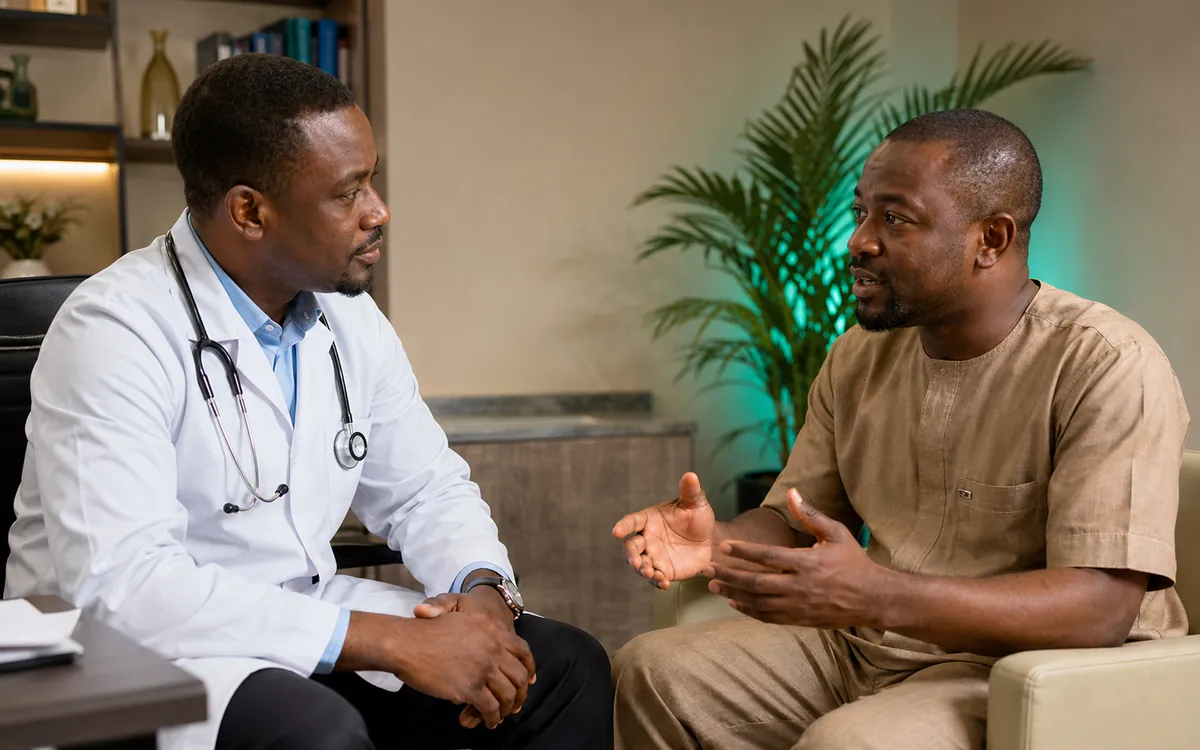
Nigerians are, on the whole, patient with their stomachs. People manage symptoms for months with whatever the pharmacy suggests, and often that is entirely reasonable, because most digestive upsets do settle.
This article is about the point where that stops being reasonable.
The simple test
Ask yourself two questions. How long has this been going on? And does it keep coming back once treatment stops?
A symptom lasting more than a few weeks, or one that reliably returns the moment you stop medication, has stopped being a passing upset. It has a cause, and the cause is worth identifying.
Symptoms that warrant a specialist
- Heartburn or reflux that persists despite treatment, or has run for years
- Upper abdominal pain that keeps returning
- A change in bowel habit lasting more than two weeks
- Bloating or feeling full quickly that continues for weeks
- Repeated nausea with no clear cause
- Ongoing diarrhoea or constipation that does not respond to simple measures
Red flags that mean now
These should not wait for an appointment in a few weeks:
- Vomiting blood, or black, tarry stools, which need seeing today
- Difficulty swallowing, or food sticking
- Unintentional weight loss
- Blood in the stool, especially if you are over 45
- Yellow eyes or skin, particularly with pain or fever
- Unexplained anaemia or persistent tiredness with a low blood count
- A lump in the abdomen
You should also see someone regardless of symptoms if you are 45 or older and have never had bowel cancer screening, or if a close relative has had bowel cancer.
What a gastroenterologist actually does
A common misconception is that seeing a gastroenterologist automatically means an endoscopy. It does not.
The first visit is a proper conversation. A detailed history of your symptoms, their pattern and timing, what you have already tried, your medicines, your family history. An examination. A review of any previous test results. Then a decision about what, if anything, is needed next.
Sometimes that is a blood or stool test. Sometimes it is a scan. Sometimes it is an endoscopy. And sometimes it is a clear explanation and reassurance, which is a legitimate outcome and often the one people most need.
How referral works here
You can be referred by your own doctor, and we welcome that, because it means your care continues with them. Send the referral by WhatsApp or email and we will arrange the appointment and preparation directly with the patient.
You can also refer yourself. You do not need a letter to book, though bringing any previous results helps.
Either way, we send a written report with images back to your doctor on the same day, so nothing stalls and nobody has to chase.
What to bring
- Any previous test results, scans or endoscopy reports
- A list of all your current medicines, including anything bought over the counter
- A note of when symptoms started and what makes them better or worse
- Your referral letter, if you have one
The honest summary
Most people we see do not have anything sinister, and they leave relieved. But almost all of them say the same thing afterwards: they wish they had come sooner instead of managing it alone for so long.
If your gut has been telling you something for weeks, it is worth an hour of a specialist's time. Call 070 7056 6272, or send a WhatsApp message to arrange a consultation at Ayinke House, LASUTH.
Common questions
When should I see a gastroenterologist?
When digestive symptoms last more than a few weeks, keep returning after treatment, or come with any alarm feature such as bleeding, weight loss, difficulty swallowing or anaemia.
Do I need a referral to see a gastroenterologist in Lagos?
Not always. Many units, including ours, accept self-referrals as well as referrals from your doctor. A referral letter helps but is not essential.
What does a gastroenterologist do on the first visit?
They take a detailed history, examine you, review any previous results, and decide whether tests are needed. Not everyone needs an endoscopy.
Your next step
This information supports a conversation with your clinician; it does not diagnose your symptoms. Request an appointment online, choose help deciding if you are unsure, or call +234 707 056 6272, message +234 707 056 6272 on WhatsApp, or ask your doctor to send a referral to zendaleendoscopy@gmail.com.

Blood in the stool: what to notice, when to get help and what to tell your doctor
A practical guide to describing bleeding clearly and getting the right level of help, without assuming the cause.
Before your endoscopy: the questions that make preparation clearer
From medicines and transport to fees and results, a useful conversation begins before procedure day.

Your endoscopy report and biopsy results: understanding the next conversation
The examination, the written report and a laboratory result may arrive at different times. Here is how to keep the next steps clear.