
Bowel cancer
Colorectal cancer is rising in Nigeria and patients are presenting younger. It is also one of the most preventable cancers there is, provided you look before symptoms appear.
Also known as: Colorectal cancer · Colon cancer · Rectal cancer
Understanding bowel cancer
What bowel cancer is
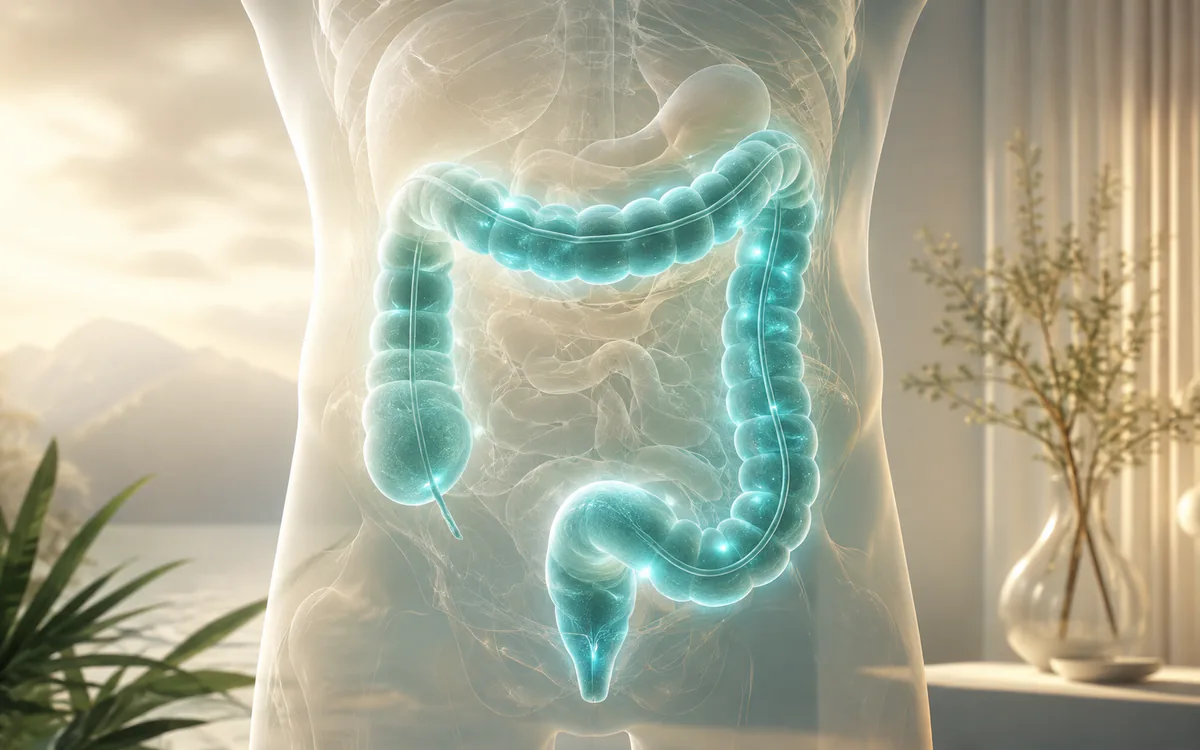
Bowel cancer, also called colorectal cancer, develops in the large bowel or the rectum. The overwhelming majority begin as a polyp, a small benign growth on the bowel wall.
Most polyps never become anything. A proportion, particularly a type called adenomas, change slowly over years toward cancer. That slow timeline, often a decade or more, is the reason screening works so well in this disease and so poorly in many others.
Understanding bowel cancer
Why cases are rising in Nigeria
The pattern follows urbanisation. Diets in Lagos and other cities have shifted toward processed foods and red meat with far less fibre, physical activity has fallen, and rates of obesity, smoking and heavy alcohol use have climbed.
The second factor is detection. With almost no organised screening programme in Nigeria, most cases are found because someone developed symptoms, and symptoms usually mean the disease is already established. We also see a worrying number of patients under 50, which is a trend reported internationally.
Understanding bowel cancer
The early signs
The difficult truth is that early bowel cancer frequently causes no symptoms at all. That is not a reason for alarm; it is the reason screening exists.
When symptoms do appear, the ones that matter are persistent rather than dramatic. A change in bowel habit that has lasted beyond two weeks. Blood in the stool. Losing weight without trying. Ongoing cramping or bloating. The sensation of not having fully emptied. Unexplained tiredness from a low blood count, which is sometimes the only clue.
Understanding bowel cancer
Who is at higher risk
Risk is higher, sometimes considerably, with any of the following:
- A first-degree relative who has had bowel cancer or advanced polyps
- A personal history of polyps
- Inflammatory bowel disease, particularly long-standing ulcerative colitis or Crohn's colitis
- Inherited syndromes such as Lynch syndrome or familial adenomatous polyposis
- Type 2 diabetes
- Obesity, smoking, heavy alcohol use, and a diet low in fibre and high in processed red meat
- Age, which is a risk factor in its own right
Understanding bowel cancer
How screening prevents it
This distinction is worth understanding properly, because it changes how you think about the test.
During a colonoscopy we do not simply look for cancer. We find polyps and remove them there and then, when appropriate. Sedation is not routine at Zendale; optional anaesthesia can be requested. Remove the polyp and the cancer it might have become never happens.
That makes colonoscopy unusual in medicine: it prevents the disease it screens for. A stool test or a scan may find a problem; a colonoscopy finds it and deals with it in the same sitting.
Understanding bowel cancer
When to start screening
For people at average risk, screening should begin at 45. If a close relative has had bowel cancer, start earlier, usually at 40 or ten years before their age at diagnosis, whichever comes first.
How often you repeat it depends on the findings. A completely clear examination in an average-risk person usually means a long interval before the next. Where polyps are found and removed, we advise a shorter interval based on their number, size and type.
Understanding bowel cancer
Treatment and outlook
Treatment depends on stage. Early cancers confined to the bowel wall are treated surgically with excellent outcomes, and very early lesions can sometimes be removed endoscopically. More advanced disease combines surgery with chemotherapy, and rectal cancers often involve radiotherapy.
Stage at diagnosis is the single biggest determinant of survival. Early-stage bowel cancer has a very good outlook. Advanced disease does not. The difference between those two situations is frequently just one appointment, made earlier.
Common questions
At what age should bowel cancer screening start in Nigeria?
At 45 for people at average risk, and earlier if a close relative has had bowel cancer or you have other risk factors such as inflammatory bowel disease.
Do I need symptoms to be screened?
No. Screening exists specifically to look before symptoms appear, because early bowel cancer often causes none.
How does a colonoscopy prevent cancer?
Most bowel cancers begin as polyps. During colonoscopy those polyps are removed as they are found, so the cancer they might have become never develops.
Is bowel cancer hereditary?
Most cases are not, but having a first-degree relative affected roughly doubles risk and means screening should start earlier. A small proportion are due to inherited syndromes.
Rectal bleeding and piles
Most rectal bleeding is piles. The danger is assuming every bleed is piles, because the exceptions are exactly the cases where waiting costs the most.
Bowel polyps
A polyp is a small growth on the bowel wall. Most are harmless, but some are the seed from which bowel cancer grows, which is why we remove them when we find them.
Irritable bowel syndrome
IBS is real, common and genuinely disruptive, but it does not damage the bowel and it does not lead to cancer. The diagnosis is made once the things that look like it are excluded.
Talk to the unit
This page is general information, not a diagnosis. If it describes you, a short consultation decides what, if anything, you need. Call +234 707 056 6272 or message +234 707 056 6272 on WhatsApp.